
The psychology behind gambling understanding the mental impact of casino environments
The Allure of Casino Environments
Casinos are designed to captivate and enthrall, using a combination of visual aesthetics, sounds, and even scents. The bright lights and vibrant colors evoke feelings of excitement and anticipation, enticing patrons to engage in gambling activities. This sensory overload creates an environment that is both stimulating and immersive, making it easy for individuals to lose track of time and money. Many players might consider finding the best online casino as part of their experience to enhance their enjoyment.
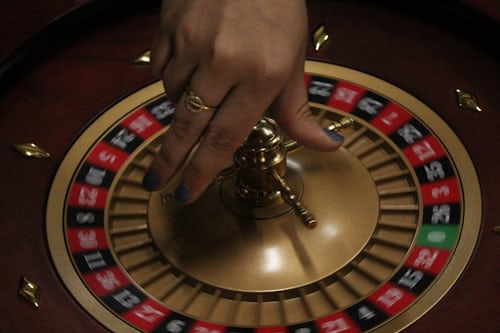
The strategic placement of games and the arrangement of spaces within casinos further enhance this allure. High-stakes games are often positioned in the most visible areas, drawing in curious onlookers and creating an atmosphere where everyone feels the thrill of potential winning. This carefully crafted environment plays a significant role in shaping the psychology of gamblers, as it encourages risky behavior and overspending.
The Role of Reward Systems
The brain’s reward system is intricately linked to gambling behavior. When players engage in games of chance, the brain releases neurotransmitters like dopamine, associated with pleasure and reward. This biochemical response can create a sense of euphoria, reinforcing the desire to continue playing despite potential losses. The anticipation of a win can be just as exhilarating as the win itself, leading to compulsive gambling patterns.
Moreover, casinos often implement loyalty programs and rewards to further exploit this psychological phenomenon. These incentives create a sense of belonging and increase the likelihood of repeat visits. Gamblers often find themselves chasing the high of the previous win, leading to a cycle of addiction that is hard to break.
The Impact of Social Influence
Gambling is often a social activity, and the presence of others can significantly impact individual behavior. In casinos, the atmosphere is charged with energy as players cheer for each other’s wins and commiserate over losses. This social reinforcement can create a collective thrill, leading individuals to gamble more than they might on their own.
Peer pressure also plays a role in gambling behavior. When surrounded by others who are actively engaging in gambling, individuals may feel compelled to participate, even if they initially had reservations. This social dynamic can distort personal judgments about risk and responsible gambling, making it essential for individuals to be aware of their motivations and limits.
The Psychological Dangers of Gambling
While gambling can be a source of entertainment, the psychological dangers cannot be ignored. The thrill of winning can quickly turn into an obsession, leading to financial ruin and emotional distress. Many individuals may experience feelings of guilt, anxiety, and depression as they grapple with the consequences of their gambling habits.
Furthermore, the environment of a casino can exacerbate these issues. The continuous stimulation and lack of natural light can disrupt circadian rhythms, leading to poor mental health outcomes. Awareness of these psychological dangers is crucial for anyone engaging in gambling activities, as it highlights the importance of moderation and self-control.

Responsible Gambling Practices
Promoting responsible gambling practices is essential in mitigating the risks associated with gambling. Players should be encouraged to set budgets and time limits, ensuring they maintain control over their gambling habits. Education about the odds and potential risks can empower individuals to make informed choices and recognize when to walk away.
Moreover, support systems and resources should be readily available for those who may be struggling with gambling addiction. By fostering a culture of responsible gambling, casinos and organizations can help individuals enjoy the thrill of gaming without succumbing to the psychological pitfalls associated with it.